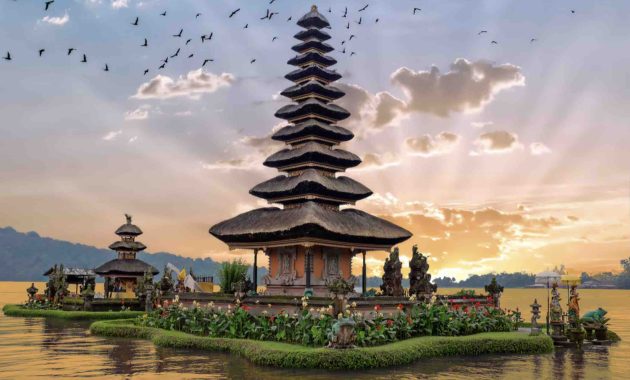
Bali is often called the “Island of a Thousand Temples,” and for good reason. Temples, or pura in Balinese, are scattered across the island, each offering a unique combination of spirituality, architecture, history, and natural beauty. From sea temples perched on dramatic cliffs to serene mountain sanctuaries, Bali’s temples are not only places of worship but also windows into the island’s culture and traditions.
In this guide, we’ll explore the best temples in Bali, including world-famous landmarks like Tanah Lot and Uluwatu, as well as lesser-known but equally enchanting spots.
Why Visit Bali’s Temples?
Bali’s temples are more than tourist attractions; they are integral to daily life. Visiting them offers insights into:
- Balinese Hindu culture and rituals.
- Traditional architecture with intricate carvings and sacred courtyards.
- Stunning natural settings, from cliffs and beaches to rice terraces and volcano slopes.
- Festivals and ceremonies, where you can witness authentic cultural practices.
Whether you’re seeking spiritual experiences, photography spots, or cultural exploration, Bali’s temples deliver unforgettable memories.
Best Temples in Bali You Shouldn’t Miss
1. Tanah Lot Temple

One of Bali’s most iconic temples, Tanah Lot sits dramatically on a rocky islet surrounded by crashing waves. It is dedicated to the guardian spirits of the sea and becomes completely cut off from land during high tide. Sunset at Tanah Lot is legendary, as the temple silhouette against the orange sky makes for a postcard-perfect view. Nearby, you’ll find smaller shrines and cultural performances that add to the experience.
2. Uluwatu Temple (Pura Luhur Uluwatu)

Located on the edge of a steep 70-meter cliff, Uluwatu is not only visually stunning but also spiritually important, dedicated to the spirits of the sea. The temple is famous for its Kecak Fire Dance, performed daily at sunset in an open-air amphitheater overlooking the ocean. Visitors should be cautious of the monkeys here, as they are known to snatch belongings!
3. Besakih Temple (Mother Temple of Bali)

Besakih Temple is the island’s holiest and largest temple complex, perched on the slopes of Mount Agung. It consists of more than 20 temples and hundreds of shrines, each serving different purposes in Balinese Hindu rituals. Its history dates back over 1,000 years, and the mountain backdrop makes it especially breathtaking. Ceremonies here are often vibrant, offering visitors a chance to witness authentic traditions.
4. Tirta Empul Temple

Famous for its sacred spring water, Tirta Empul near Ubud is where both locals and tourists take part in purification rituals. The temple’s pools are fed by natural springs, and worshippers immerse themselves under spouts of holy water as part of a spiritual cleansing process. Beyond the pools, you’ll find courtyards filled with shrines, statues, and fragrant offerings.
5. Ulun Danu Beratan Temple

This picturesque water temple sits on the shores of Lake Beratan in the Bedugul highlands. Dedicated to Dewi Danu, the goddess of lakes and rivers, it appears to float on the water when the lake’s surface is calm. Surrounded by mountains and cool mist, it’s one of Bali’s most scenic and peaceful temples, often appearing on postcards and currency notes.
6. Goa Gajah (Elephant Cave)

An archaeological wonder from the 9th century, Goa Gajah is known for its carved stone entrance resembling a demon’s mouth. Inside the cave, you’ll find meditation chambers and relics. Outside, the site includes bathing pools, fountains, and a tranquil garden that makes for a peaceful exploration. Despite its name, there are no elephants here; the origin of the name is still debated by historians.
7. Gunung Kawi Temple

Tucked into a lush river valley near Tampaksiring, Gunung Kawi is one of Bali’s most unique temples. It features ten massive rock-cut shrines carved directly into cliffs, believed to honor Balinese royalty. Surrounded by rice terraces and jungle, it requires a scenic hike down stone steps to reach, adding to its charm and sense of seclusion.
8. Lempuyang Temple (Gate of Heaven)

Lempuyang is one of Bali’s oldest and most sacred temples, located in East Bali. The famous “Gates of Heaven” frame Mount Agung in the background, creating one of the most iconic Instagram shots on the island. Reaching the top requires climbing over 1,700 steps, passing smaller temples along the way, but the reward is spiritual tranquility and breathtaking panoramas.
9. Taman Ayun Temple

A former royal temple near Mengwi, Taman Ayun is celebrated for its expansive gardens, lotus ponds, and multi-tiered pagoda-like shrines known as meru. The temple is a UNESCO World Heritage Site and is perfect for travelers who enjoy a mix of history, culture, and serene landscapes.
10. Pura Dalem Agung Padangtegal (Ubud Monkey Forest Temple)

Situated within the Sacred Monkey Forest in Ubud, this temple is dedicated to Lord Shiva, the god of destruction and transformation. Surrounded by ancient banyan trees and moss-covered statues, it creates a mysterious atmosphere. The presence of hundreds of playful monkeys adds a unique, if mischievous, touch to the visit.
Temple Etiquette in Bali
When visiting Bali temples, keep these etiquette tips in mind:
- Dress respectfully: Wear a sarong and sash (often available for rent).
- Follow rituals respectfully: Don’t interrupt ceremonies or block offerings.
- Photography: Always ask before photographing people, especially priests.
- Behavior: Refrain from climbing shrines or touching sacred objects.
- Restrictions: Women on their menstrual cycle are traditionally not allowed to enter temple grounds.
Suggested 3-Day Bali Temple-Hopping Itinerary
Day 1: Southern Bali (Cliffside & Coastal Temples)
- Morning: Visit Taman Ayun Temple near Mengwi for a peaceful garden walk.
- Afternoon: Head to Tanah Lot Temple for its oceanfront beauty.
- Evening: End the day at Uluwatu Temple, enjoying the sunset and Kecak Fire Dance.
Day 2: Ubud & Central Bali (Water & Forest Temples)
- Morning: Start at Goa Gajah (Elephant Cave) for archaeology and history.
- Midday: Visit Tirta Empul Temple and join a purification ritual.
- Afternoon: Explore Gunung Kawi Temple, with its cliff-carved shrines and rice terrace views.
- Evening: Wander the Monkey Forest Temple in Ubud for a mystical jungle experience.
Day 3: Northern & Eastern Bali (Scenic & Sacred Temples)
- Morning: Head to the highlands to see Ulun Danu Beratan Temple on Lake Beratan.
- Afternoon: Travel east to Lempuyang Temple (Gate of Heaven) for breathtaking photos with Mount Agung.
- Evening: If time allows, visit Besakih Temple, the Mother Temple, and watch the sun set behind Bali’s tallest mountain.
FAQs About Bali Temples
How many temples are there in Bali?
There are estimated to be over 20,000 temples in Bali, ranging from small shrines to large temple complexes.
Do I need to pay an entrance fee to visit Bali temples?
Yes, most major temples like Tanah Lot, Uluwatu, and Tirta Empul charge a small entrance fee.
What should I wear when visiting temples?
A sarong and sash are required; these can often be rented at the entrance.
Can tourists join purification rituals at Tirta Empul?
Yes, visitors are welcome to participate, but it’s important to follow the proper instructions and respect the ceremony.
What’s the best time to visit Bali temples?
Early morning or late afternoon for cooler weather and fewer crowds. Sunset is particularly popular at Tanah Lot and Uluwatu.
Are there guided tours available for temples?
Yes, many tour operators and private guides offer temple-focused cultural tours.
Can I take photos at Bali temples?
Yes, photography is allowed in most areas, but avoid taking pictures inside shrines or during prayer without permission.
Which temple has the “Gates of Heaven”?
The famous “Gates of Heaven” are at Lempuyang Temple in East Bali.
How long should I spend at a temple?
Most temples take 1–2 hours to explore, though larger complexes like Besakih may take longer.
Is it safe to visit temples with monkeys, like Uluwatu?
Yes, but keep valuables secure as monkeys may grab items like sunglasses or food.
What festivals are celebrated at Bali temples?
Major festivals include Galungan, Kuningan, and Odalan (temple anniversaries), where you can witness vibrant ceremonies.
Which temple is closest to Ubud?
Goa Gajah and Tirta Empul are easily accessible from Ubud, making them popular day-trip spots.
Final Thought
Bali’s temples are not just sacred sites but living symbols of the island’s culture, art, and spirituality. From the ocean-swept Tanah Lot to the clifftop Uluwatu, and the serene waters of Tirta Empul, each temple tells a story that connects visitors to Bali’s timeless traditions.
If you want to truly experience the essence of Bali, exploring its temples should be at the top of your travel list.